Canoe vs. Kayak: Which One Is Right for You?
Posted by Guest Author on 2025 Mar 1st
When first entering the world of paddle sports there are a huge number of options to consider. First and foremost, what kind of watercraft should you choose? While canoes and kayaks can be excellent options for exploring the water, they each have their unique strengths. In this article we'll be discussing what might make one better suited than the other.
Refer back to the previous article’s design comparisons to align your choice with your goals:
-
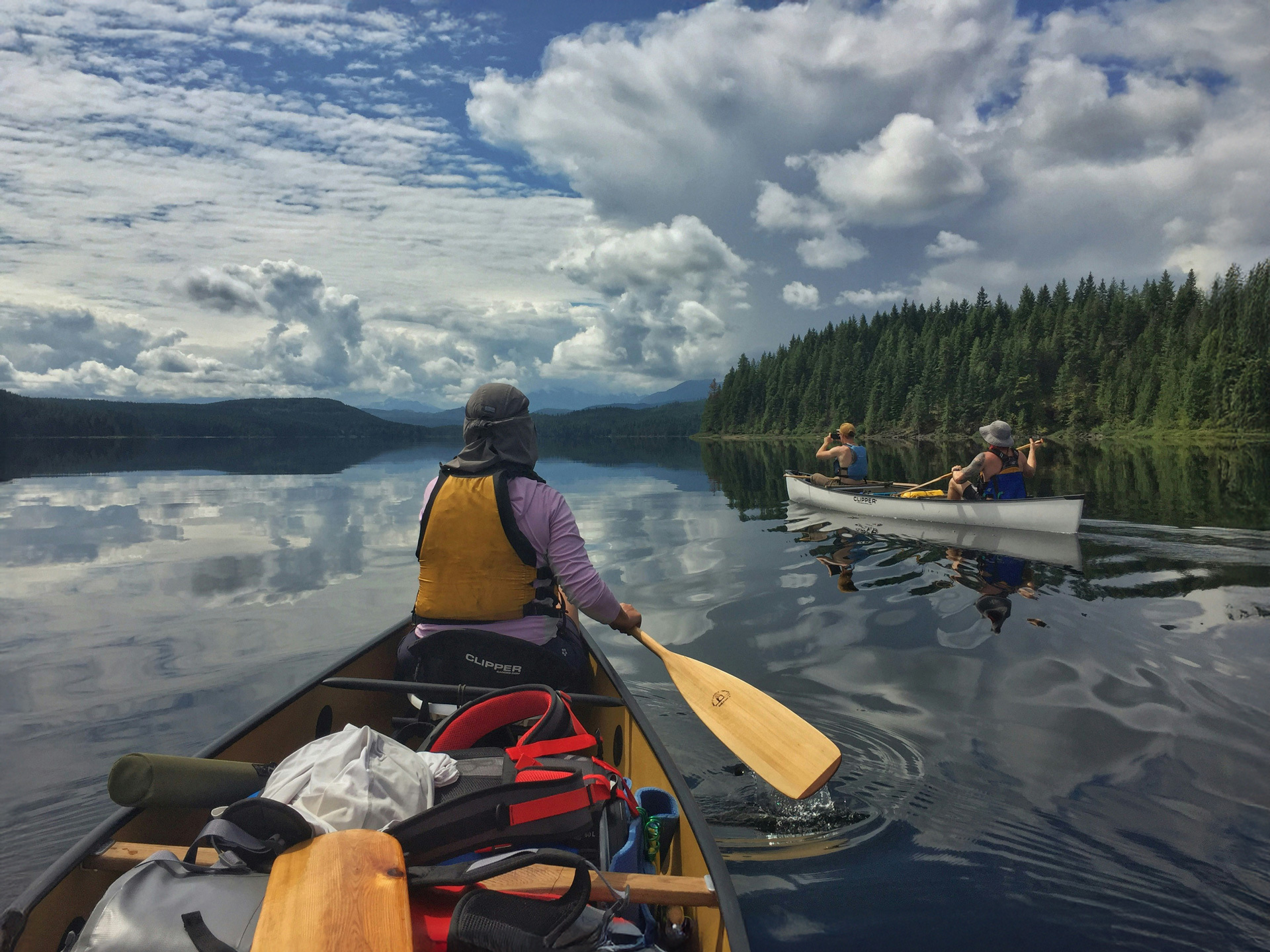
Canoes: A classic of Canadiana, canoes offer a serene paddling experience to those willing to put in the effort to learn how to keep them on track. With their ease of loading and unloading, there's a reason they have long been a favorite for trips including many portages.
-
Kayaks: With an enclosed deck and sealed compartments, a touring kayak has some great advantages when paddling in rougher or more exposed conditions, such as along the B.C. coast.
Understanding the Basic Design
Key Features of Canoes:
-
Hull Shape: There are various different designs, each suitable to various types of water - from swift moving rivers to large bodies of water. While it can seem daunting at first, talking to an expert at Western Canoe Kayak will swiftly get you a solid understanding of the different designs.
-
Seating: Typically paddlers will be seated on either a flat bench seat or a more comfortable molded tractor style seat. For whitewater canoeing some will opt to use a carved foam pillar style seat.
-
Paddle: While some narrow pack canoes can be paddled with double bladed paddle, most canoeist opt for a single bladed paddle. Those looking for extra efficiency on the water should consider a bent shaft paddle, which can give extra speed on the water.
-
Storage Space: With an open layout, high sides and wide and stable hulls, canoes offer very high capacity for transporting people and gear.
-
Intended Use: Depending on the design, canoes can be used on water from placid lakes, to moving rapids, and even on the ocean!
 |
 |
Key Features of Kayaks:
-
Hull Shape: As with canoes, different applications will require different hull shapes. Short and rounded hulls are well suited for whitewater, whereas long sleek kayaks are well suited for long distance paddling on flat water. It's always best to chat to an expert here at Western Canoe Kayak if you're unsure.
-
Seating: Paddlers sit with legs extended and use a double-bladed paddle to alternate strokes for smooth propulsion. Most kayaks have a lower seating position than canoes, which helps to give them a good sense of stability.
-
Paddle: Double-bladed paddles are most commonly used in kayaks. By alternating the paddle strokes from side to side, many novice paddlers will have an easier time keeping a kayak on course than they might in a canoe.
-
Storage Space: Kayaks will often have sealed compartments in which to store things while on the water. These sealed compartments are great as they also provide floatation in the event of a capsize, but loading things through the smaller openings can be somewhat challenging.
-
Intended Use: From dropping off of waterfalls in a whitewater kayak, paddling around islands in a touring kayak, or simply relaxing on the water in a recreational kayak, there's almost unlimited options to choose from!
Choosing Between a Canoe and a Kayak
Your choice depends on your activity, experience level, and preferred water conditions, each excel at different things.
-
Choose a Canoe If:
-
You are planning on loading and unloading gear many times. A canoe is much easier to fill with gear than a kayak.
-
You are planning to portage over rugged terrain. There are some very robust carts meant for canoes, but kayaks carts aren't quite as versatile.
-
You prioritize a more open experience. Being able to wiggle your legs around in a canoe can be a real treat if you feel cramped in a kayak.
-
-
Choose a Kayak If:
-
You want to feel more closed in. When paddling in wind or waves it can be nice to be snugly secured to the kayak with a sprayskirt.
-
You want to cover long distances when paddling. A sleek touring kayak with a rudder will generally be much faster than a comparable canoe.
-
You are interesting in rolling a kayak. While it's not a necessary skill, it's a great way to recover from a capsize, or simply cool off. Plus it's a lot of fun!
Essential Gear and Accessories
Equip yourself with these basics:
-
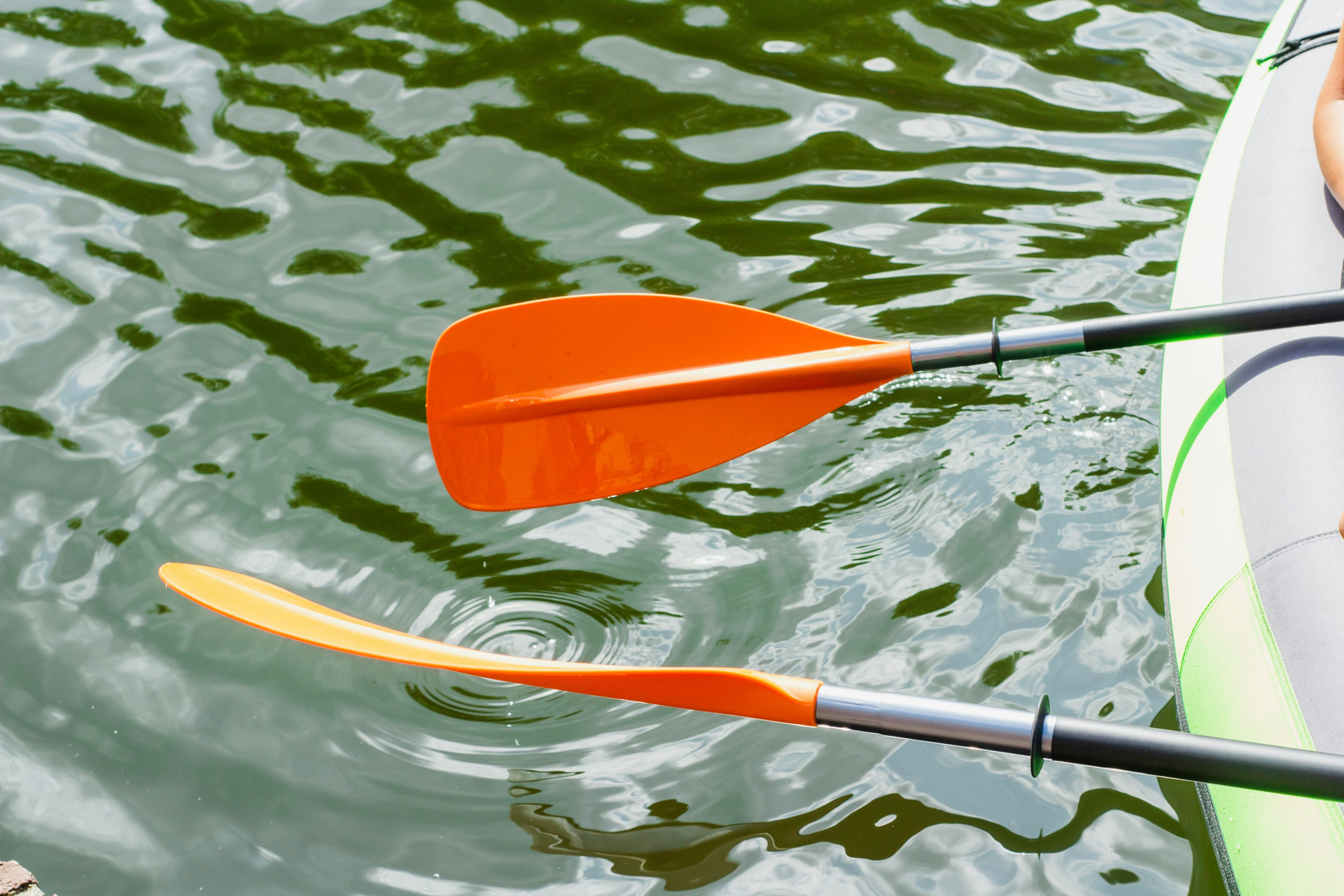
Paddle: Regardless of canoeist or kayaker, all paddlers will need a paddle. There are many different materials and designs available. Length will depend on height of the paddler and the width of the boat. Our experts will be happy to ensure you've got the perfect paddle for your needs.
Shop Paddles at WCK -
Life Jacket (PFD): Choose a Coast Guard-approved, comfortable fit. You may want to consider an option with pockets for storing on the water essentials, a high back -appropriate it paddling a kayak with a high back rest-, or other features.
Shop PFDs st WCK -
Safety Kit: All vessels navigating in Canada will need to follow the appropriate requirements as described by Transport Canada. Generally a bailing device to empty water from you vessel, a whistle, and 50 feet of floating rope will keep you legal. There are other options available which might make re-entries easier, such as paddle floats and stirrups for kayakers.
Shop safety & rescue at WCK -
Dry Bags: Protect phones, snacks, and extra clothing from splashes or accidental dunkings.
Shop Dry Bags -
Spray Skirt (Kayaks): Keeps water out in rough conditions. Not all kayaks can be outfitted with a spray skirt, but they are a great addition if paddling in rough water, or even just on rainy days.
Shop Sprayskirts -
Kneeling Pad (Canoes): Enhances comfort during long trips for those who prefer a more traditional (and less comfortable) style of paddling.
Shop Knee Pads
Safety First: Rules of the Water
-
Check Weather: Avoid high winds or storms. If it looks too rough to paddle safely, listen to you gut!
-
Stay Visible: Attach a bright flag or light, especially in paddling in areas with powerboats present. Paddlers can be tough to see on the water, so being as bright as possible is a great idea.
-
Learn to Self-Rescue: Practice re-entering your kayak or canoe after a capsize in calm water. Don't forget, just because you can get back into the seat in calm conditions doesn't guarantee success in rough water. Be a prudent paddler.
-
Buddy System: Never paddle alone as a beginner. While solo paddling can be a great experience, it's always safer to have a buddy with you. Plus, the conversation is probably better.
Planning Your First Trip
-
Start Small: Choose a calm, short route (1–2 hours).
-
Pack Smart: Bring water, sunscreen, and a map. Avoid overloading you boat —distribute weight evenly to ensure it's well balanced.
-
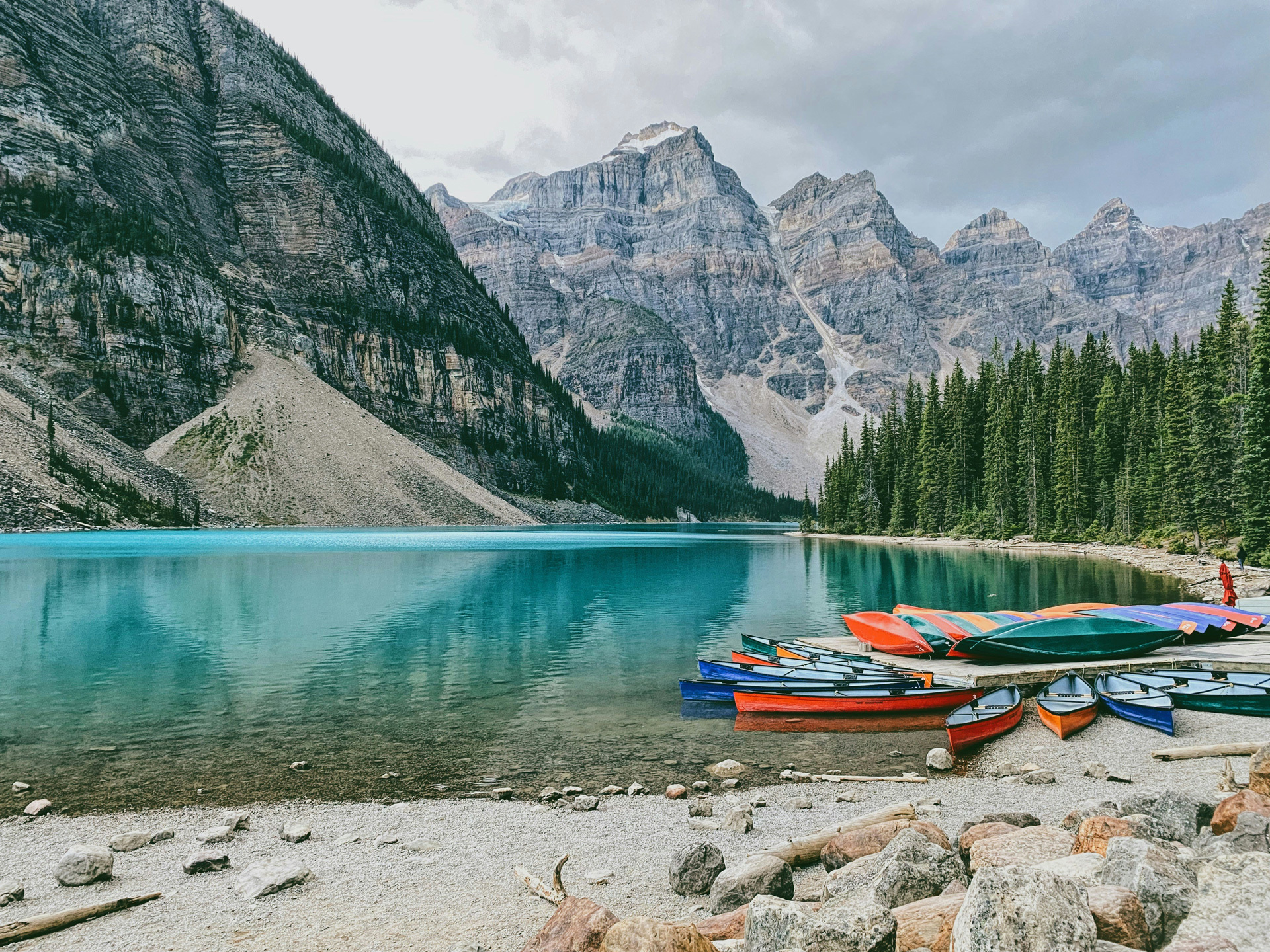
Local Spots: Research beginner-friendly locations, like sheltered lakes or slow-moving rivers.
Joining the Community
-
Clubs and Groups: Organizations like Paddle Canada offer lessons with specific requirements for certification. Alternatively, meet with local paddling groups. Most experienced paddlers are more than happy to share their knowledge with novice paddlers.
-
Eco-Etiquette: Follow “Leave No Trace” principles to protect waterways. As someone enjoying the outdoors, try to leave it cleaner than you found it. Pick up bits of trash you find while paddling!
Common Beginner Mistakes to Avoid
-
Death Grip on the Paddle: Relax your hold to prevent fatigue. Relaxing generally will provide a more enjoyable experience.
-
Leaning Too Far: Trust your craft’s stability—sudden shifts can cause capsizing. If your nostrils are above your navel, you'll probably stay upright!
-
Ignoring Tides/Currents: Research applicable water conditions in advance. Winds can come up quickly on some of our large lakes and waterways.
Is it Easier to Kayak or Canoe?
Determining whether kayaking or canoeing is easier depends on several factors, including paddling technique, stability, learning curve, and the specific environment in which the activity takes place.
Paddling Technique:
- Kayaking: Utilizes a double-bladed paddle, allowing for continuous, alternating strokes on either side. This design facilitates straightforward navigation and can be easier for solo paddlers.
- Canoeing: Employs a single-bladed paddle, requiring paddlers to alternate strokes on each side or use specialized techniques like the J-stroke to maintain a straight course. This can be more challenging for beginners to master.
Stability:
- Canoes: Generally wider with a flat bottom, offering higher initial stability, which can make beginners feel more at ease.
- Kayaks: Typically narrower, providing less initial stability but greater secondary stability, which is beneficial in rougher waters.
Learning Curve:
- Kayaking: Often considered more intuitive for beginners, especially when learning to paddle solo.
- Canoeing: While offering greater stability, mastering efficient paddling techniques may require more practice.
Environmental Considerations:
- Kayaks: Their enclosed design and maneuverability make them suitable for open waters, such as oceans or large lakes, where waves and wind are factors.
- Canoes: Ideal for calm, inland waters like rivers and small lakes, especially when carrying gear or passengers.
In summary, while canoes provide greater stability and capacity, which can be reassuring for beginners, kayaks offer easier maneuverability and may be more suitable for solo paddlers or those seeking agility on the water. The choice between the two ultimately depends on individual preferences and intended use.
Conclusion
Both canoes and kayaks offer distinct advantages depending on your needs. Canoes excel in stability, capacity, and group travel, while kayaks provide agility, speed, and solo paddling efficiency. Whether you're a beginner looking for a peaceful paddle or an adventurer seeking thrilling water conditions, understanding these design elements will help you make the best choice.