The Kaituna River
Posted by Ava Simpson on 2025 Mar 8th
Nestled on the east side of New Zealand’s North Island is Okere Falls, a breathtaking destination. In this town, you’ll find the famous Kaituna River, a
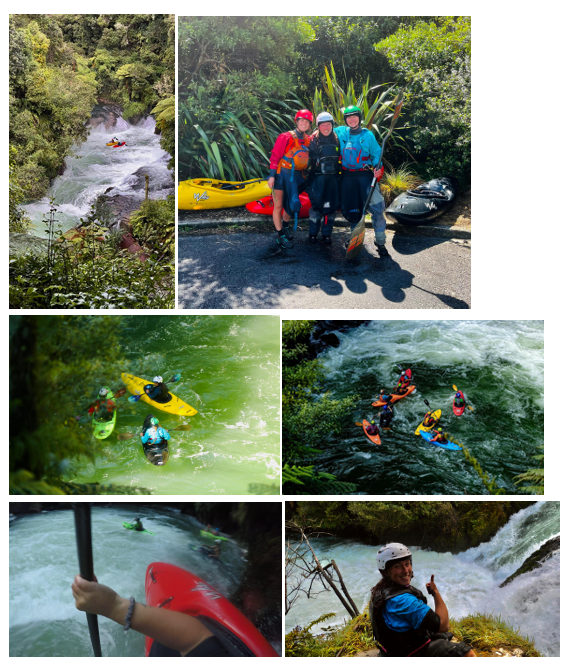
cherished gem by locals and international visitors. Flowing from Lake Rotorua and Rotoiti, the Kaituna River stretches northwards for 45 kilometers before merging into the Bay of Plenty near Te Puke. The Kaituna River holds a special place in the hearts of both local kayakers and enthusiasts from around the globe. As a kayaker myself, I felt an irresistible pull to experience the magic of this place firsthand. In addition to paddling the river for fun, I was given the opportunity to work as a safety kayaker on the Kaituna River for New Zealand Whitewater Academy (NZWA), a company specializing in tandem tours and kayak courses. This allowed me to witness the excitement of newcomers experiencing kayaking for the first time.
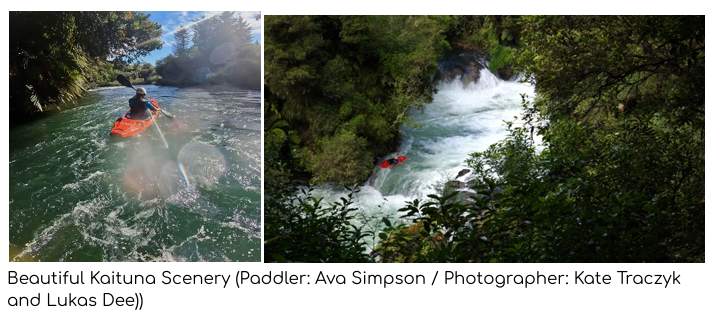
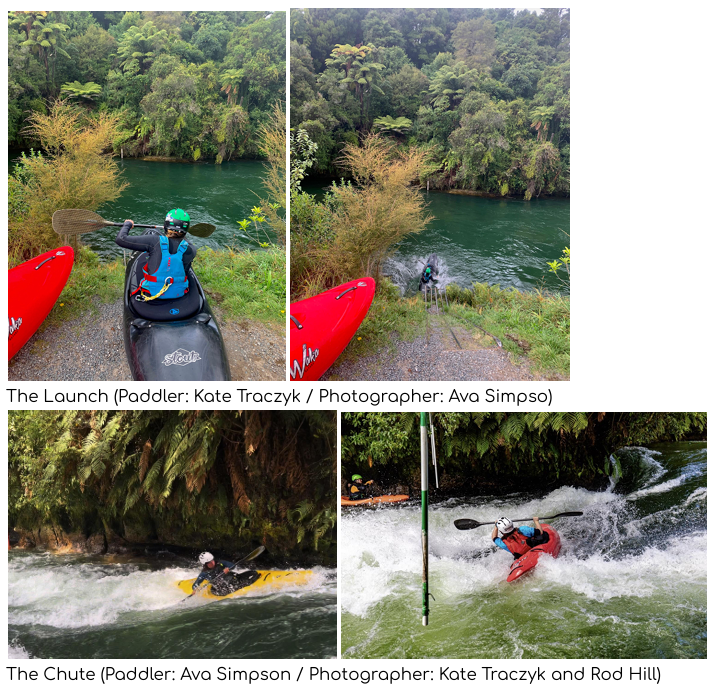
The Kaituna River is a pristine playground for whitewater kayakers, rafters, slalom paddlers, sledgers, snorkelers and more. The adventure begins right at the put-in with a rail launch that shoots you out into the river. This is a chance for you to show off your air tricks or at least give you a boost of adrenaline before going down the river. Shortly after, you will come to the first rapid: The Chute (class III) - a great spot to practice ferry crossings and/or surfing. It is also a great spot for performing kickflips or stern stalls if you’re using a half slice. This rapid becomes more difficult as the water gets higher, creating whirlpools and boils in both eddy’s on either side of the drop.
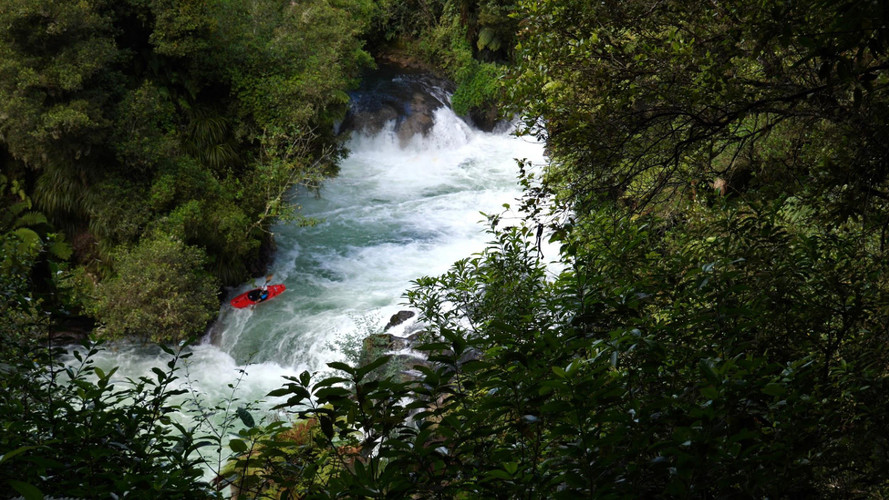
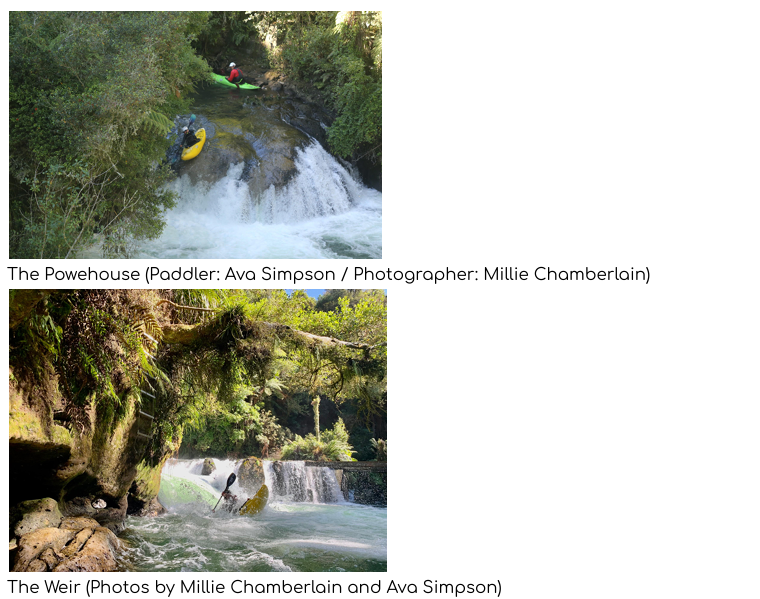
As you boogie down through some smaller rapids, you will most likely see birds swimming and fishermen casting their lines. There is a nice play wave on river right where you can do flat spins or even better - party surfs. Shortly after, you will reach Cascade Rapid (class III) - the beginning of the Gorge section. This is where the river gets narrower and more committing. It is a good spot to hop out if you aren’t feeling up for the challenge. Cascade Rapid is one of the easier rapids in this section, forming a 90 degree turn to the right with some boils at the bottom when the river is higher. A stellar surf wave is present on the river left side along with a micro eddy against the left wall if you are feeling up for it. After this, you will go through one more boogie section before the first class IV rapid - Powerhouse and the Weir. This rapid consists of two beautiful drops that are linked together with a ferry glide across the Tail Race current. The Tail Race is an alternate route along the left side of the river, skipping the Powerhouse drop entirely. It is generally run with more water but still goes at medium to lower flows. Raft trips will often stop and play in the Weir hole, so best to watch out for them before you drop in on the second boof.
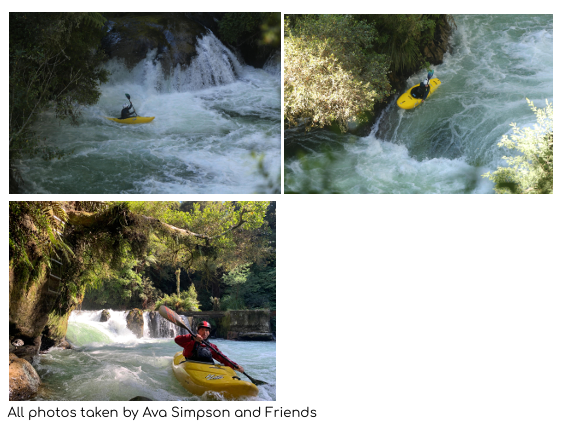
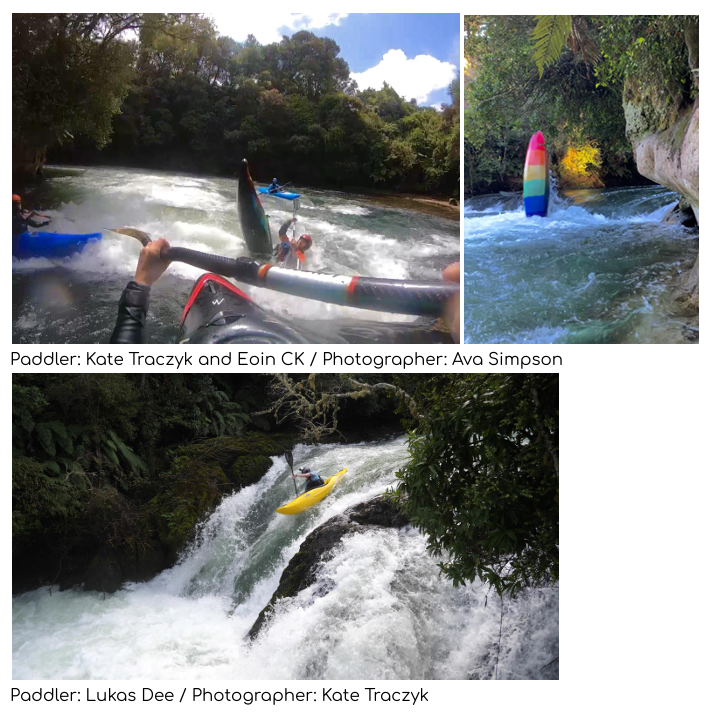
After navigating Powerhouse and the Weir, you will encounter two smaller rapids before finally coming to the most exciting part of the run - Tutea Falls (class IV). Tutea Falls is the highest commercially rafted waterfall in the world, at 7 meters tall. It’s entrance is notably narrow, leading into a big bowl reminiscent of an auditorium covered by ferns and moss. Tourists can watch from a viewing platform that has been carved out of the stone. For kayakers, the line of choice is down the left side of the river until you reach the boil. Once you hit the boil, you want to charge to the right and pull a left boof stroke, shooting you off the waterfall. Your aim is to land on the pillow at the bottom. If you land correctly, you will skip out with speed and a smile. Sometimes, the pillow surges at the exact moment you land, causing you to flip or stern stall out - even in a creek boat!
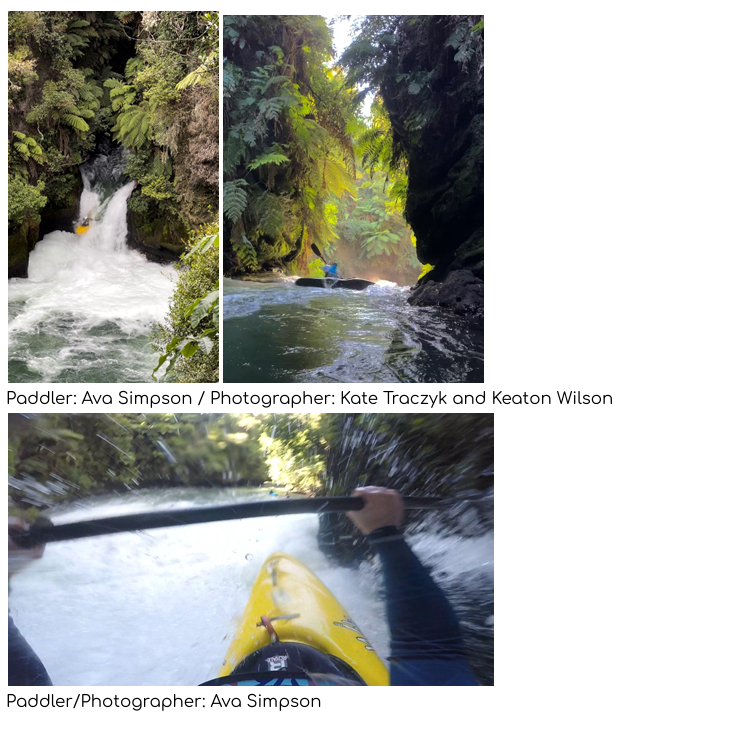
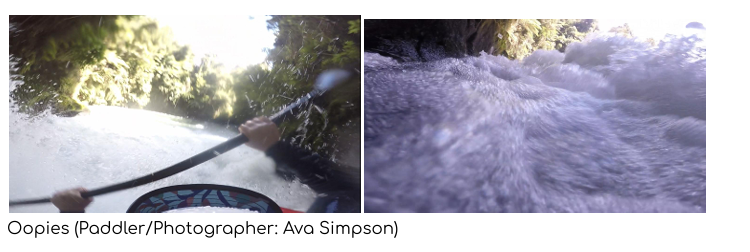
While I had mostly clean lines on Tutea, my 30th lap proved to be a memorable exception. As I approached the waterfall, I was a little bit too right and hit the wall, sending me into the curtain on the left. In an instant, I was ejected out of my kayak and plunged into the depths of the river, effectively known as the “green room”. I eventually resurfaced but my helmet had come off and my spray skirt was down to my knees. As I swam to shore, I couldn’t help but laugh at the absurdity of the situation - most of my belongings had floated into the eddy with me, even my brand new Nobdody’s hat. At this point, my paddling partner, Keaton, had come down and was helping me drain my kayak. Unfortunately we couldn’t find my paddle, so we decided to split Keaton’s 2-piece Lettman in half and each take a piece down the river. We had so much fun paddling down the rest of the run that I had even forgotten about my missing paddle. We were laughing, wondering which one of us was going to flip over first. We were both stoked to make it down the river upright - Thank you Keaton!
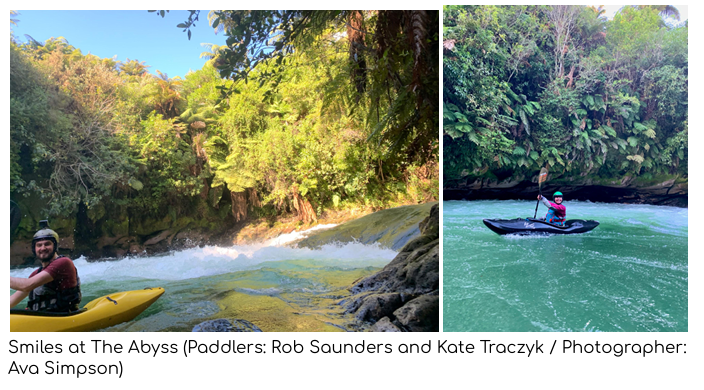
After Tutea Falls follows some more class IV rapids: Skateboard, Boiling Pot, The Abyss - along with a few smaller rapids in between: Swimmers and ETA Ripples. With Skateboard and Boiling Pot, the line is the same - charge left to right and pull a left boof stroke to get your bow up. Skateboard has a nasty pocket on the left side of the drop that can be quite sticky, so you definitely want to stay away from there. Boiling Pot is particularly unfriendly if found upside down as it is extremely shallow on the left side. It is known to break noses. After conquering these two rapids along with Swimmers and ETA Ripples, you will have made it to The Abyss. This rapid has a river-wide drop, with an immediate turn to the left. The wall on river right can be a dangerous spot at higher flows as it has caves. There are a few different lines on this drop; you can either take the left line - charging right to left and pulling a right boof stroke while landing and skipping out towards the cave. Pointing your bow towards the cave will ensure you don’t get sucked back into the drop. The center line is the meatiest part of the drop - a spot you can go for a rodeo if you don’t boof it correctly. The right line is fairly simple but not often run because it’s quite bumpy and shallow, but it still goes. This rapid is another spot where the rafts will stop and surf the hole.
Towards the end of the run lies the Bottom Play Hole, an eddy-access spot perfect for surfing, cartwheels, and even front loops if you have the technique dialed (I tried and failed many times). Caution is warranted as just around the corner is Troutpool Falls, also known as Trouties, a class V waterfall. It is not run by all paddlers due to its high consequence and demanding technique. Raft companies are legally not allowed to run this drop with clients due to its extreme retention and presence of hazardous undercuts and caves. While I have not personally ran it, I have seen a handful of people run it clean.
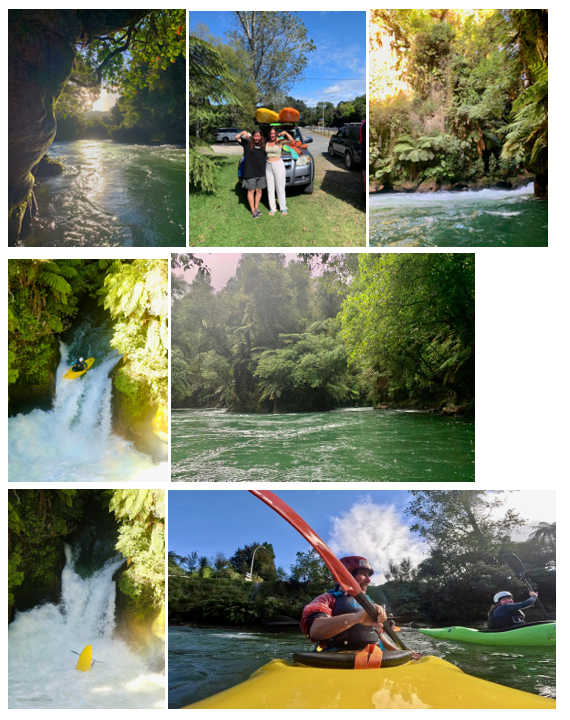
While in New Zealand, a particularly special moment was celebrating my twin sister and I’s birthday on the Kaituna River together. Rob from NZWA took her down the river in a tandem kayak, while I safety kayaked alongside them and a second tandem. This enabled us to share the day together and also for her to experience class IV kayaking as a newer boater. My personal highlight was watching her go off the waterfall with pure stoke. Thank you to Ricketts and Robadile for making this experience possible, we are beyond grateful!
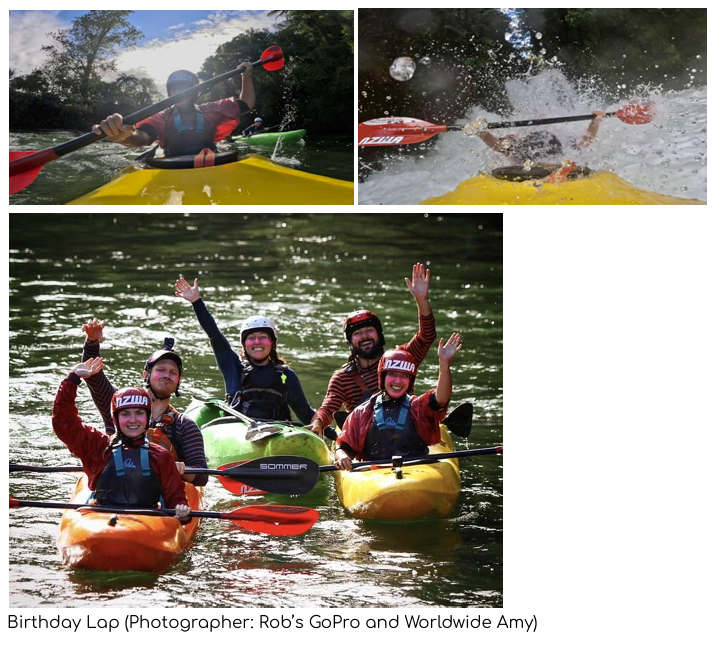
Birthday Lap (Photographer: Rob’s GoPro and Worldwide Amy)
My time in Okere Falls and on the Kaituna River was truly memorable. I’m grateful the wonderful people I had the chance to meet, paddle and work with. Big shoutout to the forever homies I made, and the countless pies that we ate from the Store. Also, if you were wondering about my missing paddle, it was found 2 days after my swim below Troutpool Falls - covered in algae, but not damaged! Thanks to Andy Fuller for fishing it out. Cheers!
More photos from the Kaituna River: