Electric Motor Buying Guide
Types of Electric Motors
There are different types of electric motors designed for various watercraft and use cases:
Outboard Motors
- Mounted on the stern of small boats, dinghies, and sailboats.
- Examples: ePropulsion Spirit 1.0 Plus, ePropulsion Navy 3.0 & 6.0 Evo.
- Ideal for: Recreational boating, sailing, fishing, and auxiliary power.
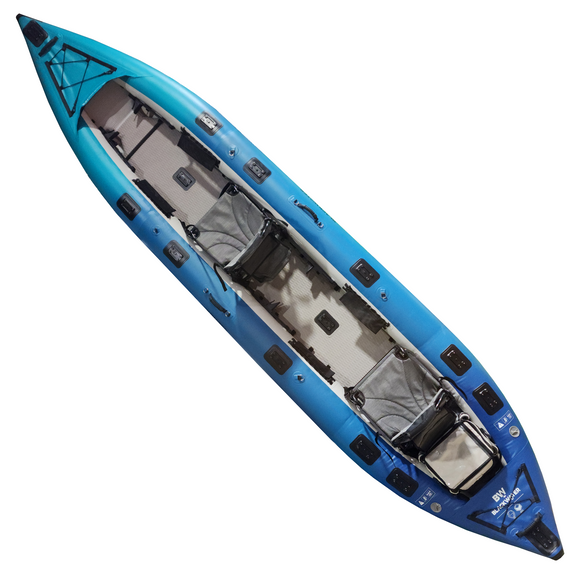
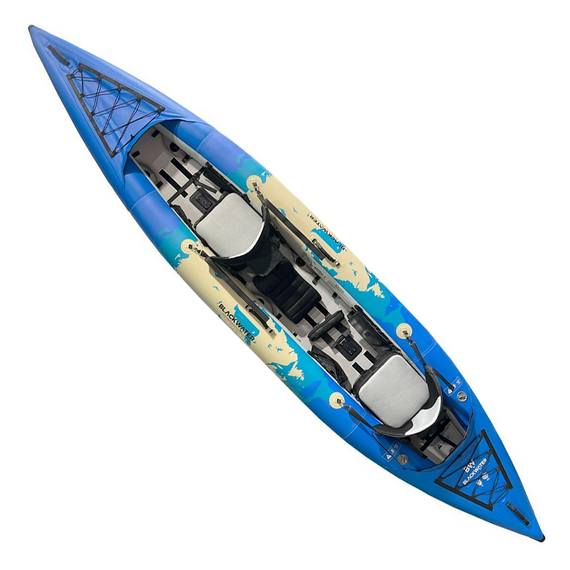
Kayak & Canoe Motors
- Designed for mounting on kayaks and canoes.
- Examples: Bixpy K-1 Angler Pro, ePropulsion Vaquita.
- Ideal for: Kayak fishing, long-distance paddling, and reducing fatigue on trips.
SUP Motors
- Lightweight and attach to stand-up paddleboards.
- Examples: ePropulsion Vaquita.
- Ideal for: Extending range on SUP tours, adding power to long paddles.
Recommendations
- For Fishing: Bixpy K-1 Angler Pro – Compact, quiet, and designed for kayaks and canoes.
- For Small Boats & Dinghies: ePropulsion Spirit 1.0 Plus – Reliable, portable, and efficient.
- For Sailboats: ePropulsion Spirit 1.0 Evo – Hydrogeneration helps recharge the battery while sailing.
- For Recreational Paddling: ePropulsion Vaquita – Simple, lightweight, and great for SUPs and kayaks.
Key Factors to Consider
Use Case & Boat Type
- Fishing: A motor with quiet operation and long battery life is essential.
- Touring & Long-Distance Paddling: Look for efficiency and extended range.
- Recreational Use: Easy-to-use motors with quick installation are ideal.
- Sailing Auxiliary Power: Consider a motor with hydrogeneration capability.
Battery Type
- Integrated Batteries: Convenient and easy to use; common in smaller motors.
- External Batteries: Allow for extended range but require space on the boat.
Shaft Lengths
- Short shaft: Best for kayaks, canoes, and small boats.
- Long shaft: Ideal for larger boats and deeper transoms.
Mounting Options
- Transom Mount: Common for boats and dinghies.
- Rudder Mount: Used for kayaks and some canoes.
- Fin Box Mount: Ideal for SUPs.
Weight & Portability
- Some motors, like the ePropulsion eLite, are ultra-lightweight for easy transport.
Charging & Runtime
- Run time depends on speed and battery capacity.
- Some models offer solar or regenerative charging for extended trips.
FAQ
Can I use an electric motor in saltwater?
Yes, most ePropulsion motors and Bixpy motors are saltwater-compatible. Always rinse after use.
How long do electric motors run?
Run time varies based on battery size and power setting, ranging from 1 hour at full speed to 10+ hours at low power.
Can I add a second battery for more range?
Some models, like the ePropulsion Spirit 1.0, allow external battery connections for extended range.
Do electric motors require maintenance?
Minimal maintenance is needed. Regularly rinse with fresh water after saltwater use, check battery health, and inspect wiring connections.
How fast can an electric motor go?
Speed depends on motor power and boat type. Smaller motors can reach 3-5 mph, while larger ones like the ePropulsion Navy 6.0 Evo can approach 10+ mph.
Are electric motors legal on all lakes?
Many lakes restrict gas-powered engines but allow electric motors. Check local regulations before use.
How do I charge an electric motor battery?
Most batteries charge via standard wall outlets, and some models support solar charging or onboard regenerative charging.
What safety precautions should I take?
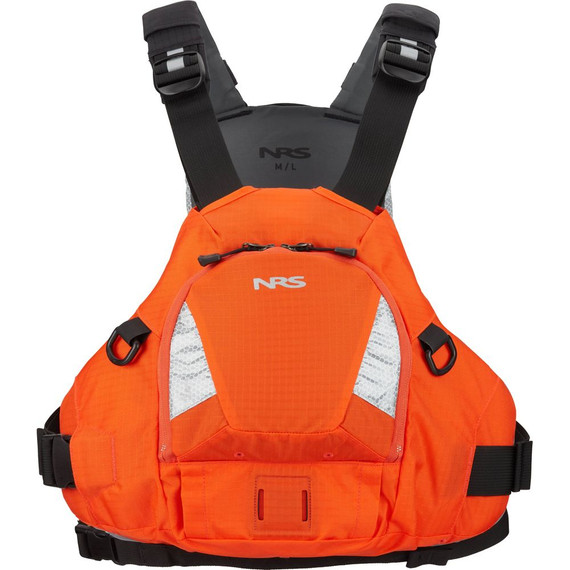
Always wear a life jacket, carry a spare paddle, ensure battery charge before departure, and follow navigation rules.